

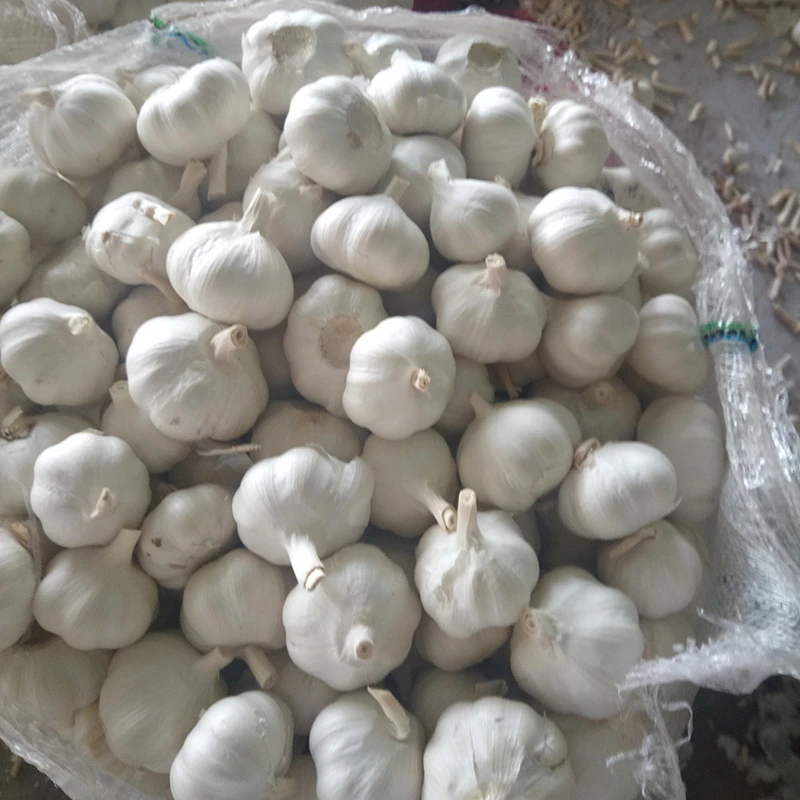
There are two types of garlic: pure white garlic and regular white garlic. Pure white garlic has a white outer skin, while regular white garlic has a purplish skin. Both are identical in terms of nutritional content and aroma. However, regular white garlic is spicier and generally cheaper than pure white garlic. If you prefer a sharper, spicier flavor, you might choose regular white garlic.
Garlic is a polarizing food-people often both love and hate it. It is frequently added when grilling seafood, as it possesses antibacterial properties and imparts a delicious, savory aroma; however, it is also notorious for causing bad breath.
Garlic contains alliin and the enzyme alliinase. When garlic is crushed, these two components come into contact, forming a clear, colorless liquid called allicin. Allicin is the medicinal compound found in garlic and plays a significant role in health supplements due to its potent antibacterial properties.
Health Benefits of Garlic
1. Antibacterial and Anti-inflammatory Properties
Garlic contains various sulfur-containing compounds-collectively referred to as "garlic oil"-which provide antibacterial and anti-inflammatory effects. Allicin, in particular, is a powerful antibacterial agent; however, it loses its effectiveness when exposed to heat, which is why raw garlic is most effective for disinfection.
2. Lowering Blood Sugar and Preventing Diabetes
Garlic can stimulate insulin secretion, improve the body's glucose tolerance, and enhance the uptake of glucose by cells. By lowering blood sugar levels, it helps in the prevention of diabetes.
3. Anti-aging and Anti-fatigue
Garlic is rich in vitamins, including vitamin C and vitamin E-both of which are potent antioxidants that help combat aging. Additionally, the combination of vitamin B1 and allicin helps the body recover from fatigue.
4. Cardiovascular Protection
Garlic helps prevent the accumulation of fat in the heart and blood vessels, promotes fat metabolism, lowers cholesterol, and regulates blood pressure, thereby supporting cardiovascular health. Furthermore, some suggest that garlic may aid in weight loss, as it enhances fibrinolytic activity (the breakdown of fibrin) and promotes the metabolism of fats. Garlic is highly nutritious and offers significant health benefits. However, it often causes bad breath, which leads many people to avoid it. So, what can you do after eating garlic?
Many people turn to toothpaste or chewing gum to combat garlic breath. In fact, there are other options: consuming items like yogurt or milk can help, as the proteins they contain react with the compounds responsible for the garlic odor, effectively neutralizing it. Generally speaking, any high-protein food-provided the protein remains in the mouth for a sufficient amount of time-can be effective in reducing the smell. You might also consider certain fruits with strong, pleasant aromas, or even tea, both of which can help eliminate the scent of garlic.
If you are interested in garlic, please feel free to contact us to learn more.


